
发布时间: 人气:0 来源:chinapillowplate
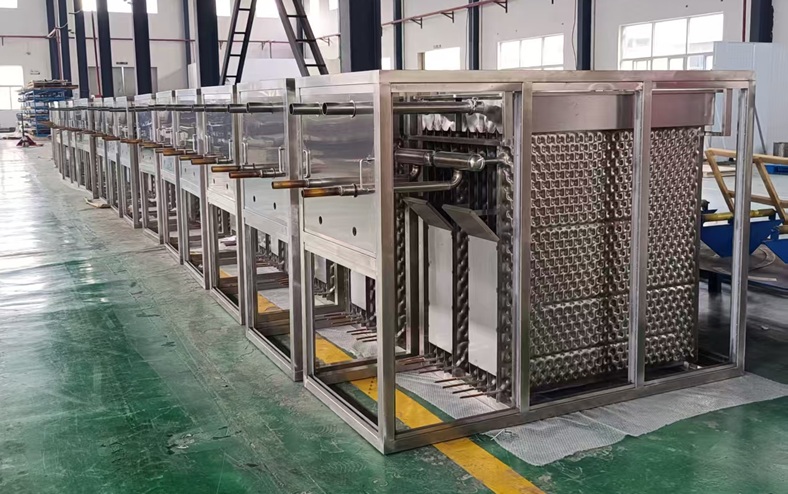
Since pillow plate heat exchange plates have a specific manufacturing process and are finally combined to form a pillow plate heat exchanger, we need to consider the thermal expansion problems under different temperatures and pressures comprehensively and carefully during the design.
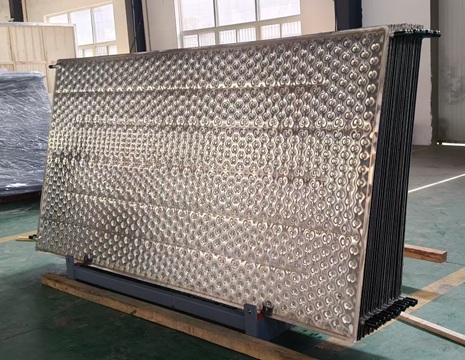
Here are the optimized considerations:
Material Property Control
- Matching Thermal Expansion Coefficient: When choosing stainless - steel materials, make sure their thermal expansion coefficients are suitable for the expected working temperature and pressure range. Because two stainless - steel plates are welded and inflated to form a pillow plate, if the thermal expansion coefficient is too large, the plate will expand or contract a lot when the temperature changes, which may cause the weld to crack. For example, in high - temperature working conditions, we can give priority to stainless steel with a relatively small and stable thermal expansion coefficient. It can keep relatively stable size changes during large temperature fluctuations and reduce the influence of thermal stress on the weld and the plate itself.
- Material Uniformity: Ensure the quality of the stainless - steel materials used to make pillow plates is uniform. If there are differences in composition or defects inside the material, the thermal expansion performance of different parts may be inconsistent. During thermal expansion and contraction, internal stress concentration will occur, which may easily cause the plate to deform or be damaged. So when purchasing materials, we should strictly control the quality and conduct necessary inspections.
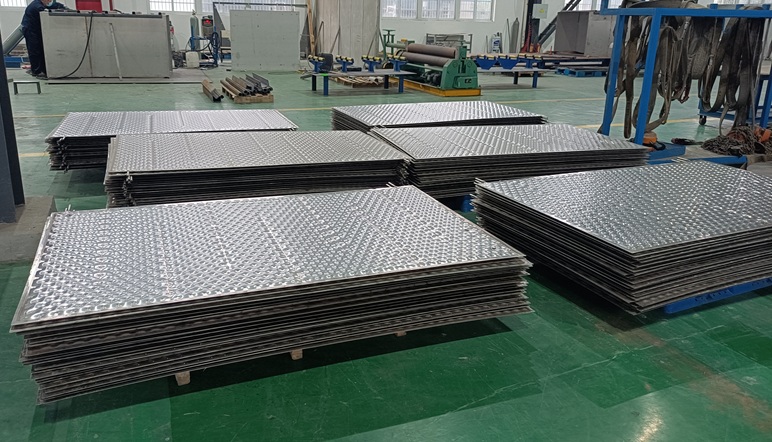
Flow Channel and Inflation Design
- Optimizing Flow Channel Layout: The design of the flow channel should consider the influence of thermal expansion. Reasonably plan the direction and shape of the flow channel, and avoid situations where it is too narrow or has sharp turns in some parts. These parts are prone to stress concentration during thermal expansion. For example, using a smooth curved flow - channel design can make the fluid flow more smoothly and also help relieve the stress caused by thermal expansion.
- Controlling Inflation Degree: During the process of inflating with nitrogen to form the plate, we need to precisely control the inflation degree. Over - inflation will cause large internal stress in the plate in the initial state. When the temperature and pressure change, these initial stresses will be added to the thermal stress, increasing the risk of plate damage. Insufficient inflation may affect the heat - exchange performance and structural strength of the plate. Through strict control of process parameters, we can ensure that the inflated plate can not only meet the heat - exchange requirements but also adapt to thermal expansion changes.
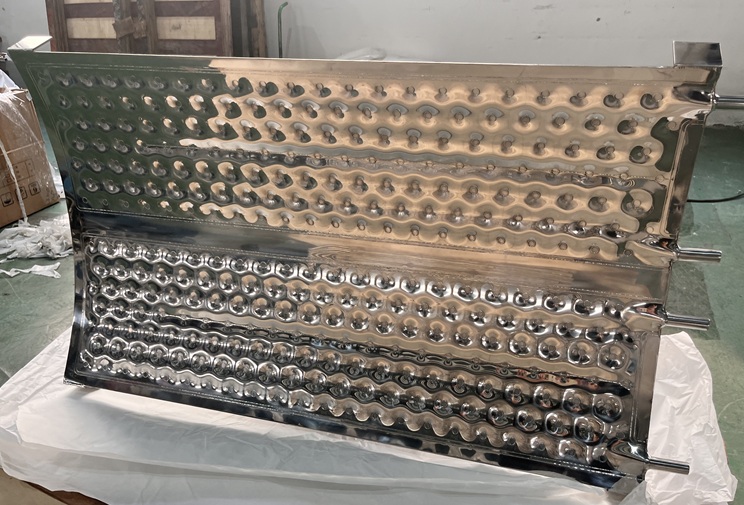
Plate Assembly Structure Design
- Reserving Expansion Gap: When assembling the formed plates into a heat exchanger, we need to reserve enough expansion gaps between the plates. As the temperature rises, the plates will expand. If the gap is too small, the plates will squeeze each other, generating huge stress, which may cause the plates to deform or the welds to tear. For example, according to the thermal expansion calculation results, we can reasonably determine the spacing between the plates. Generally, we can refer to empirical formulas or simulation calculations to get this gap value.
- Flexible Connection Design: Use flexible connection methods to assemble the plates, such as using elastic gaskets or special elastic connectors. These flexible parts can play a buffering role when the plates expand thermally, absorbing part of the displacement and stress caused by thermal expansion and preventing the stress from being directly transmitted to the whole plate bundle structure, thus ensuring the stability and sealing performance of the plate bundle.
- Setting Expansion Joints: For large - scale pillow plate heat exchangers or situations where the working temperature and pressure change greatly, expansion joints can be set at appropriate positions of the plate bundle. Expansion joints can effectively compensate for the displacement caused by thermal expansion and reduce the influence of thermal stress on the overall structure of the heat exchanger. For example, metal bellows expansion joints can be set at the inlet and outlet ends or in the middle of the plate bundle. When the plates expand thermally, the expansion joints can stretch and deform to absorb the excess displacement.
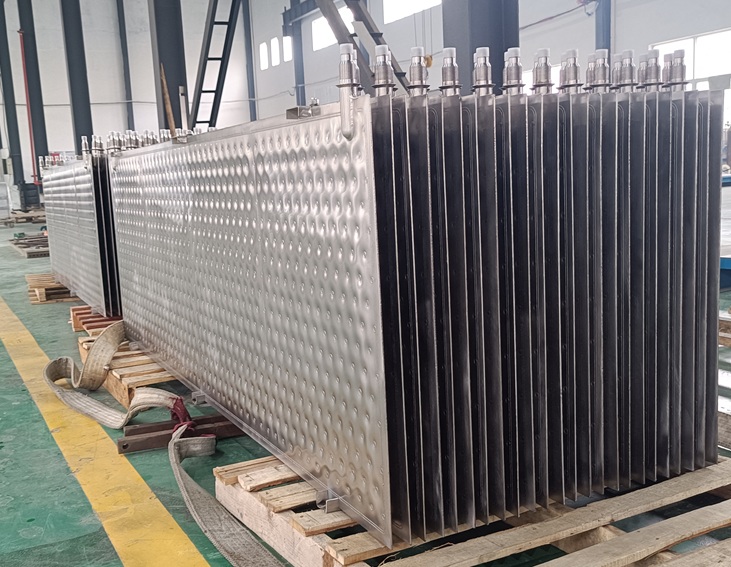
Simulation Analysis and Test Verification
- Thermal Expansion Simulation: Use professional computer simulation software to conduct a detailed simulation of the thermal expansion of the pillow plate heat exchanger under different temperatures and pressures. Input the thermal physical parameters of the stainless - steel materials, the flow - channel structure, the plate assembly method and other information. The simulation software can predict the expansion amount of the plates, the stress distribution and the deformation of the whole heat exchanger. According to the simulation results, we can optimize the design, such as adjusting the plate spacing and improving the connection method.
- Actual Test Verification: Make a prototype heat exchanger for actual testing. Place it in different temperature and pressure environments to monitor the thermal expansion of the plates, the stress changes and the overall performance of the heat exchanger. Through actual testing, we can find factors that may not be considered in the simulation analysis and verify the rationality and reliability of the design. According to the test results, we can further improve and perfect the design to ensure that the pillow plate heat exchanger can work safely and stably in actual operation.
Anhui Yingchuang Laser Technology Co., Ltd. copyright technical support:ZOHENG